
Expert analysis of green bond market developments, outlining growth trends, challenges, and future trajectories in sustainable finance. Essential insights.

The global financial landscape is increasingly shaped by a commitment to sustainability, with green bonds emerging as a pivotal instrument in channeling capital towards environmentally beneficial projects. My experience in sustainable finance over the past decade confirms the accelerating adoption and evolving sophistication of this market segment. Initially a niche product, green bonds have matured into a mainstream investment category, attracting a diverse range of issuers and investors. This growth reflects a dual imperative: the urgent need for climate action and the growing demand from investors for sustainable portfolio options. The developments observed are not merely incremental; they represent a fundamental shift in how capital is raised and deployed for environmental good.
Overview
- The green bond market has transitioned from niche to mainstream, driven by climate urgency and investor demand for sustainable options.
- Issuance volumes continue to expand, with sovereign and corporate entities actively participating and setting new benchmarks.
- Geographical diversification is prominent, yet the US market shows unique growth drivers and opportunities.
- Key challenges include ensuring impact transparency, standardizing reporting, and preventing ‘greenwashing’.
- Technological advancements, particularly blockchain, are poised to improve green bond verification and liquidity.
- The market is evolving with new product innovations like sustainability-linked bonds and transition bonds.
- Policy and regulatory frameworks are crucial in fostering market integrity and further expansion.
- Investor appetite remains strong, indicating continued upward trajectory for sustainable debt instruments.
Green bond market developments: Current Trends and Growth Drivers
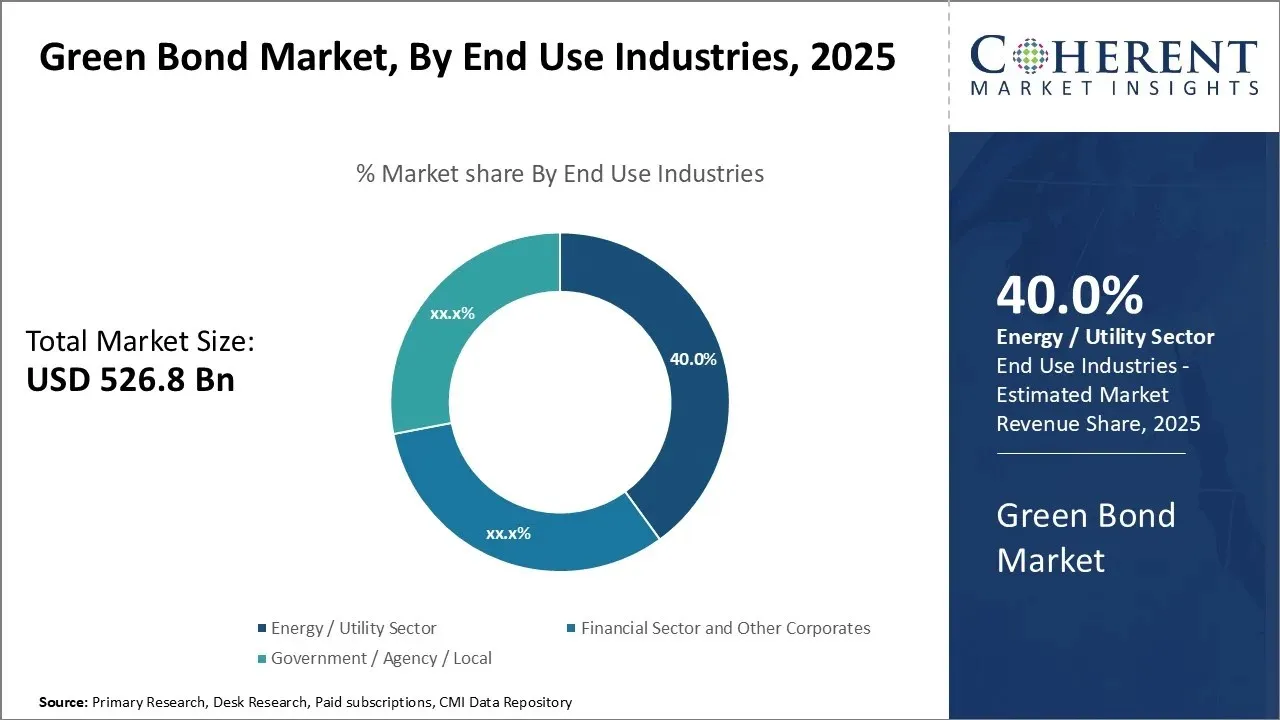
The trajectory of green bond market developments shows a robust expansion. Global issuance has consistently hit new records, signaling strong issuer confidence and investor appetite. Sovereign issuers, for instance, have increasingly tapped this market, often setting benchmarks for pricing and structure. Nations like Germany, France, and more recently, the US, through various state and municipal entities, are issuing significant volumes. This sovereign participation lends credibility and liquidity to the market. Corporate issuance also plays a vital role, with diverse sectors, from renewable energy to manufacturing, using green bonds to finance their environmental projects. For example, major utilities frequently issue green bonds to fund renewable energy infrastructure or grid modernization initiatives.
A key driver is the escalating focus on ESG (Environmental, Social, and Governance) factors in investment decisions. Institutional investors, pension funds, and asset managers are integrating ESG criteria into their mandates, creating a constant demand for green and sustainable debt products. The regulatory push in various jurisdictions, particularly in the European Union with its Green Deal and taxonomy, further accelerates this trend. These frameworks provide clarity on what constitutes a ‘green’ activity, thereby reducing uncertainty for both issuers and investors. Furthermore, the tangible impact associated with green bond investments appeals to a broader investor base seeking both financial returns and positive environmental outcomes.
Challenges and Opportunities in Sustainable Finance
Despite its rapid growth, the green bond segment faces distinct challenges. One primary concern is ‘greenwashing,’ where proceeds might not genuinely contribute to environmental benefits, or the project’s impact is overstated. This erodes investor trust. Robust independent verification and transparent reporting are crucial to mitigate this risk. Another challenge involves standardization. While principles like the Green Bond Principles (GBP) offer guidance, variations in reporting and impact measurement across different issuers and regions can complicate comparative analysis. Harmonizing these standards remains an ongoing effort.
However, these challenges also present significant opportunities. The demand for verification services is growing, creating a specialized market for environmental impact assessment. The ongoing discussions around taxonomies, such as the EU Taxonomy and emerging national taxonomies, aim to bring greater clarity and reduce ambiguity. This regulatory clarity, while complex to implement, ultimately builds a more resilient and credible market. Moreover, the evolution of related instruments like sustainability-linked bonds (SLBs) and transition bonds broadens the scope of sustainable finance, allowing a wider range of companies, including heavy emitters, to participate in the sustainability transition. SLBs, for example, tie coupon payments to the achievement of predefined sustainability performance targets, incentivizing companies to meet their climate goals directly.
Regional Shifts in Green bond market developments
The geographical distribution of green bond market developments has diversified significantly. While Europe has historically led in issuance, particularly with strong support from the European Investment Bank and sovereign programs, other regions are rapidly catching up. Asia-Pacific, notably China and Japan, has emerged as a major player, driven by national sustainability targets and substantial infrastructure needs. Their bond markets are mobilizing significant capital for renewable energy, sustainable transport, and waste management projects. These regions are also innovating with their own green finance frameworks and local currency green bond issuances, appealing to a broader set of investors.
In the US, the green bond market is experiencing robust, albeit different, growth. Municipal green bonds are a strong segment, funding local climate resilience projects, public transit, and water infrastructure. State-level green bond programs are also gaining traction. While federal-level green bond issuance has been limited, the private sector in the US is very active, with technology firms, utilities, and financial institutions frequently issuing green bonds. The US market benefits from deep capital markets and a growing awareness of climate risk among institutional investors. This regional diversification indicates a global understanding of the role green bonds play in financing a sustainable future, adapting to local regulations and specific environmental priorities.
Future Trajectories for Green bond market developments
Looking ahead, the green bond market developments are poised for continued innovation and expansion. Expect to see further diversification of issuer types, with more small and medium-sized enterprises (SMEs) potentially accessing this market through aggregated issuance mechanisms. The role of financial technology (FinTech), especially blockchain, will likely grow in enhancing transparency and efficiency in the green bond lifecycle. Blockchain could streamline verification processes, improve impact reporting, and even facilitate secondary market trading, reducing costs and increasing liquidity. This would provide greater assurance to investors about the integrity of green bond proceeds and their actual impact.
Furthermore, the integration of biodiversity and nature-positive outcomes into green bond frameworks is an emerging area. As awareness of nature-related financial risks increases, bonds explicitly funding projects for ecosystem restoration, biodiversity conservation, and nature-based solutions will become more prevalent. The interplay between climate finance and nature finance is increasingly recognized. We will also see further alignment of green bond criteria with global sustainable development goals (SDGs), allowing for a more holistic approach to impact investing. Investor engagement will deepen, pushing for more stringent impact metrics and greater accountability from issuers. This continuous evolution underscores the market’s dynamism and its central role in financing a sustainable global economy.